When renting a dumpster, it's vital to take into consideration a number of key factors to assure a smooth and cost-efficient waste monitoring procedure. Dumpster dimension and capacity, rental period and scheduling, debris type and restrictions, weight and quantity limitations, distribution and pick-up logistics, budget and concealed fees, and local policies and permits are all vital parts to take a look at. Properly evaluating these elements can help stop unnecessary costs, improve waste management efficiency, and stay clear of project delays. By understanding these factors to consider, you'll be fully equipped to browse the dumpster rental process and locate the appropriate service for your particular needs, and there's more to check out to ensure a successful rental experience.
Dumpster Dimension and Capacity
Key Dumpster Rentals Considerations
Dumpster Dimension and Capacity
Three important elements contribute to identifying the suitable dumpster size and capacity for a project: the type and volume of waste, the available area for dumpster placement, and the frequency of waste disposal Comprehending these aspects is important to assure efficient waste management and avoid unnecessary costs.
The type and quantity of waste affect the required dumpster size, as different products have differing densities and weights. For instance, construction debris tends to be much heavier than house garbage, demanding a larger dumpster
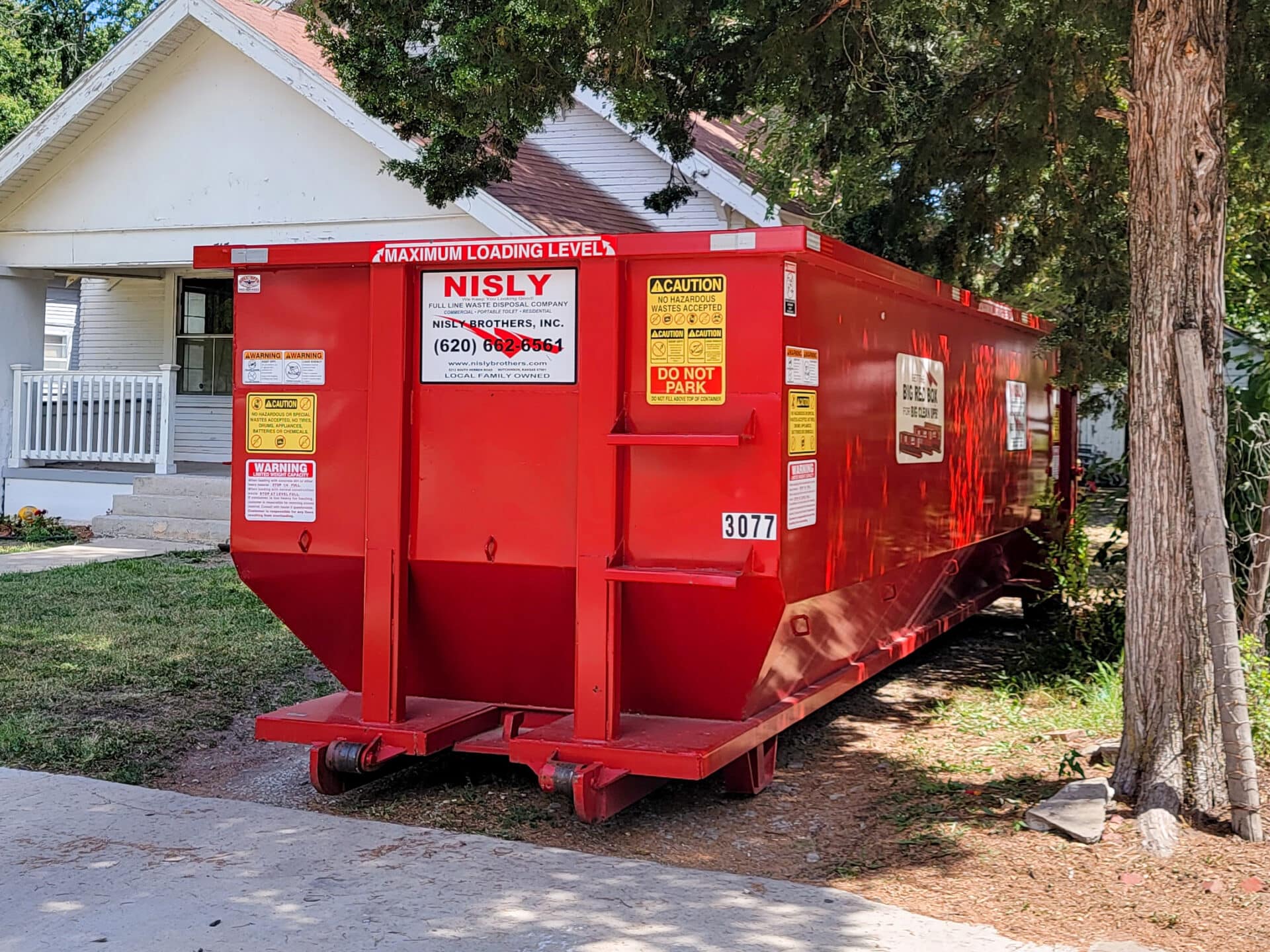
Available room for dumpster placement is one more vital consideration. Jobs with minimal room might need smaller sized dumpsters or specialized containers, such as compactors or https://piedmonttriaddumpsters.com/dumpster-rental-pfafftown-nc/ roll-off dumpsters.
In addition, the frequency of waste disposal impacts the suitable dumpster size and ability. Projects with high waste generation rates might need more regular draining, requiring a larger dumpster to fit the quantity of waste.
Rental Duration and Scheduling
Once the perfect dumpster dimension and capacity are identified, interest turns to the rental period and scheduling This important element of dumpster services assures that the dumpster is provided and grabbed at the correct time, permitting a smooth waste management process
When selecting a rental period, take into consideration the duration of your task, the amount of waste generated, and the frequency of garbage disposal. Commonly, rental periods range from a few days to a number of weeks and even months. It is essential to pick a rental period that lines up with your job's timeline to stay clear of unneeded extensions or early pickups.
Scheduling is similarly crucial, as it guarantees that the dumpster is delivered and grabbed according to your timetable. Make certain to collaborate with the rental carrier to confirm delivery and pickup days, along with any details needs, such as licenses or access restrictions
Debris Type and Restrictions
As the rental period and scheduling are completed, focus changes to the kind of debris that will certainly be gotten rid of and any kind of associated restrictions.
It's vital to identify what types of waste will certainly be generated throughout the project, as this will certainly affect the dumpster rental process As an example, hazardous materials, such as batteries, electronic devices, and fluorescent lights, call for special handling and disposal.
Similarly, construction debris, like concrete, asphalt, and dirt, might require to be separated from other sorts of waste.
Some dumpster rental firms may have specific guidelines or prohibitions on certain products, such as fluids, chemicals, or flammable materials. Recognizing these constraints ahead of time guarantees a smooth and compliant disposal process
Failing to adhere to these regulations can result in additional charges, penalties, and even project delays
Weight and Volume Limits
Beyond debris kind and limitations, another vital consideration in the dumpster rental process is the weight and volume limits of the dumpster itself. Comprehending these restrictions is essential to assure you do not exceed the allowed capacity, which can cause added fees or even dumpster refusal.
Typically, dumpsters come with a specific weight limit, usually gauged in loads, and a quantity limitation, measured in cubic yards It is very important to estimate the weight and volume of the waste you require to get rid of accurately.
For circumstances, heavy materials like concrete or soil can swiftly surpass the weight limit, while lighter products like paper or cardboard may fill the quantity limit much faster. Make certain to ask your dumpster rental carrier regarding their weight and quantity restrictions and get assistance on exactly how to approximate your waste accurately.
Additionally, some companies might use flexible options, such as flexible weight limitations or specialized dumpsters for details materials. By comprehending the weight and quantity limits, you can rent the right dumpster for your project, stay clear of unnecessary expenses, and ensure a hassle-free waste disposal experience
Delivery and Pickup Logistics
When planning a dumpster rental, it's important to contemplate not only the weight and quantity limits of the dumpster but also the logistics of delivery and pickup This consists of considering the accessibility of the drop-off area, making sure the dumpster can be safely placed on your residential property without blocking sidewalks, driveways, or other areas.
You'll also require to coordinate a particular distribution time that helps you and the rental business. In addition, think of the size of time you'll need the dumpster and routine a pickup day accordingly.
Be aware of any type of possible constraints or permits required for dumpster positioning in your location. It's essential to interact clearly with the rental business regarding your particular demands and any type of difficulties you may face.
Budget and Surprise Fees
Cost openness is important when it comes to dumpster rental, as it straight impacts your project's profits. It's essential to recognize the total price of the leasing, consisting of any type of added charges that may arise.
Be cautious of business that quote low prices in advance, only to stun you with hidden fees later. Ask about potential add-ons, such as fuel additional charges, delivery fees, or obese charges.
When comparing costs, make certain you're obtaining an apples-to-apples comparison Some firms might supply a lower base rate but cost added for services like same-day distribution or prolonged rental periods.
Others could include these solutions in their initial quote. Clarify what's consisted of in the cost and what's not to avoid surprise costs
Lastly, be sure to ask about any discounts or promotions that might be offered. Some business offer unique offers for newbie customers, long-term services, or mass orders.
Local Regulations and Permits
Complying with local regulations and getting necessary permits is a vital element of dumpster rental, as failure to do so can lead to fines, penalties, and even project delays.
It's crucial to research and comprehend the specific regulations in your area, as they can differ substantially from one municipality to one more. Some cities might call for a permit to put a dumpster on a residential road, while others may have specific guidelines about what materials can be gotten rid of in a dumpster.
Additionally, some areas or home owners' organizations might have their very own policies and laws relating to dumpster rentals.
Be certain to check with local authorities and your rental company to validate you have all required authorizations and authorizations prior to the dumpster is delivered.